
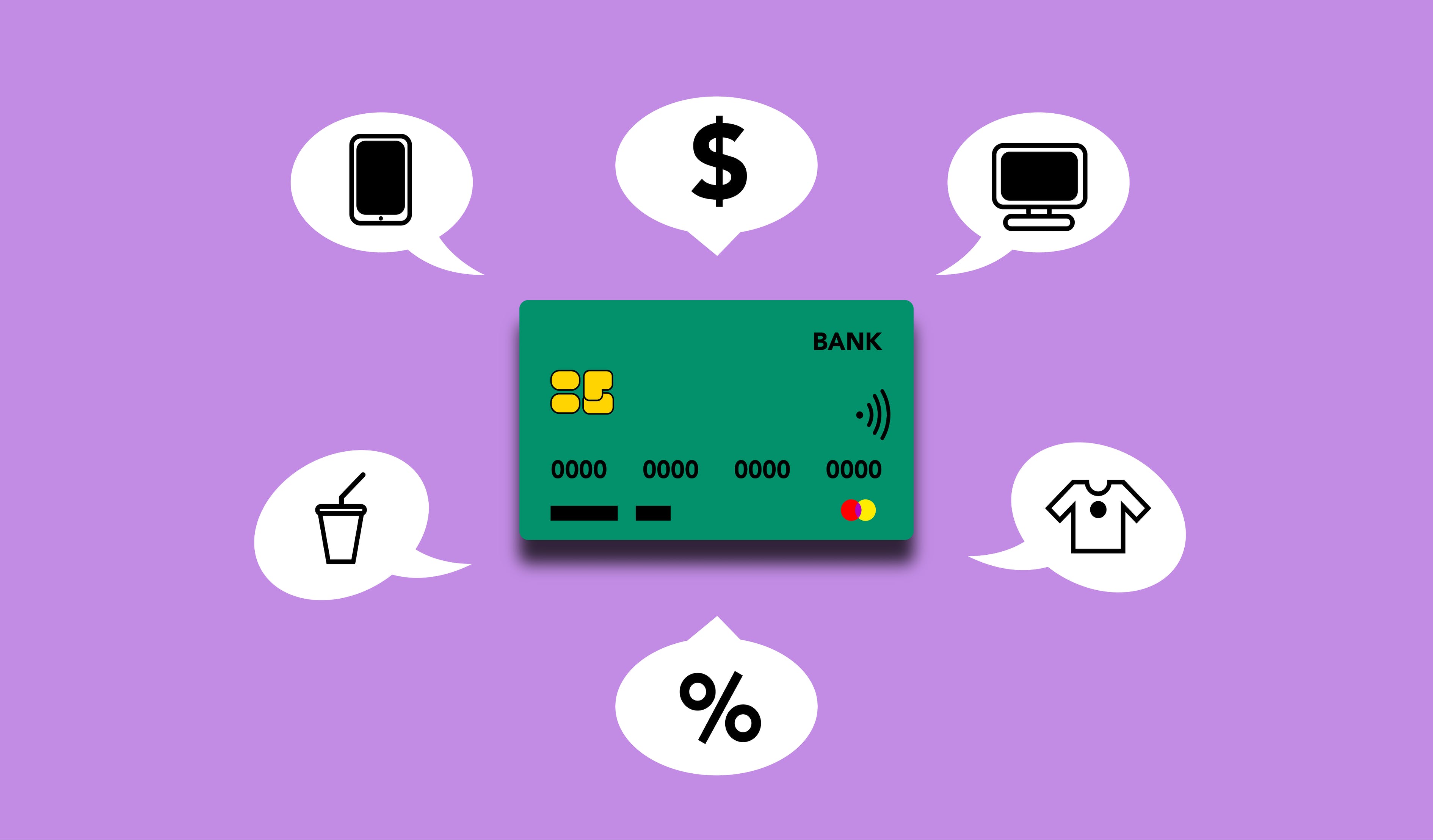
One of the most important things for our nurses is setting up a bank account on arrival to the UK. This is essential if they are to get paid promptly for their initial work, pay UK utility bills, and build a credit score for other financial requirements such as obtaining a mobile phone contract. It can also help avoid expensive currency conversion charges on your purchases.
However, setting up a bank account isn’t always straightforward when you’re new in the UK when many banks are looking for proof of address and evidence of a credit score. This is further exacerbated during a pandemic!
Here are our top tips for helping your nurses get up and running as soon as possible.
1. Consider purchasing your nurse a UK sim card on arrival (or ask your agency to do it on your behalf).
Your new joiner will need a UK telephone number to open a UK bank account so this can help them get up and running as soon as possible.
2. Provide your new joiner with a Proof of Address letter (or ask your agency to do it on your behalf).
A number of high street bank accounts will accept a Proof of Address letter from a reputable, relevant organization so ensuring you include a Proof of Address letter in your arrival pack to your candidate can help make this process much smoother. The Proof of Address letter should include key details such as their work start date, the candidate’s passport number and their new address details.
3.Consider supporting your candidates to open an online/digital account initially.
The benefit of online banking accounts is that they are super quick to open (candidates are often up and running within a few days), and many such as Monzo and Revolut don’t require proof of address and often all you need is a UK sim card, smartphone and a passport to set up one! Another benefit is that candidates will often have access to Apple Pay immediately, smoothing their transition by having access to electronic payment means quickly and easily.
Just be aware that candidates aren’t always successful with opening a digital bank account straightaway, there are no physical branches for the candidate to visit and not all online accounts offer the same level of financial protection as high street banks so they may want to get started with this kind of account and then move onto alternatives when they have established themselves in-country.
4.Encourage them to consider what services will be most important to them and consider charges accordingly.
Different service elements will be more important or less important to candidates depending on what their priorities are. Encourage them to ask potential banking providers the following questions to ensure they are opening the best account for them:
- Is there a limit on cash deposits and how are they paid in?
- Is there a charge to be issued with a debit card?
- How are cheques paid in?
- How can you access customer support if you have problems?
- Is the bank secured by the FSCS?
You can often find comparisons of current accounts on sites such as Money Saving Expert and Compare the Market.
5.Encourage candidates to consider pre-paid cards
Pre-paid cards can have certain benefits for example:
- Any nurses working for the NHS might be interested in the 5% cash back offer on the NHS Cash Discount card https://healthservicediscounts.com/nhs-cashback-card/
- Account providers such as Monese offer fee free cash withdrawals and purchases overseas (up to a limit)
- Transferwise can enable better exchange rates on transactions.
Find out more online.
Best app-based and online bank recommendations:
Photo credit: Gabby K